
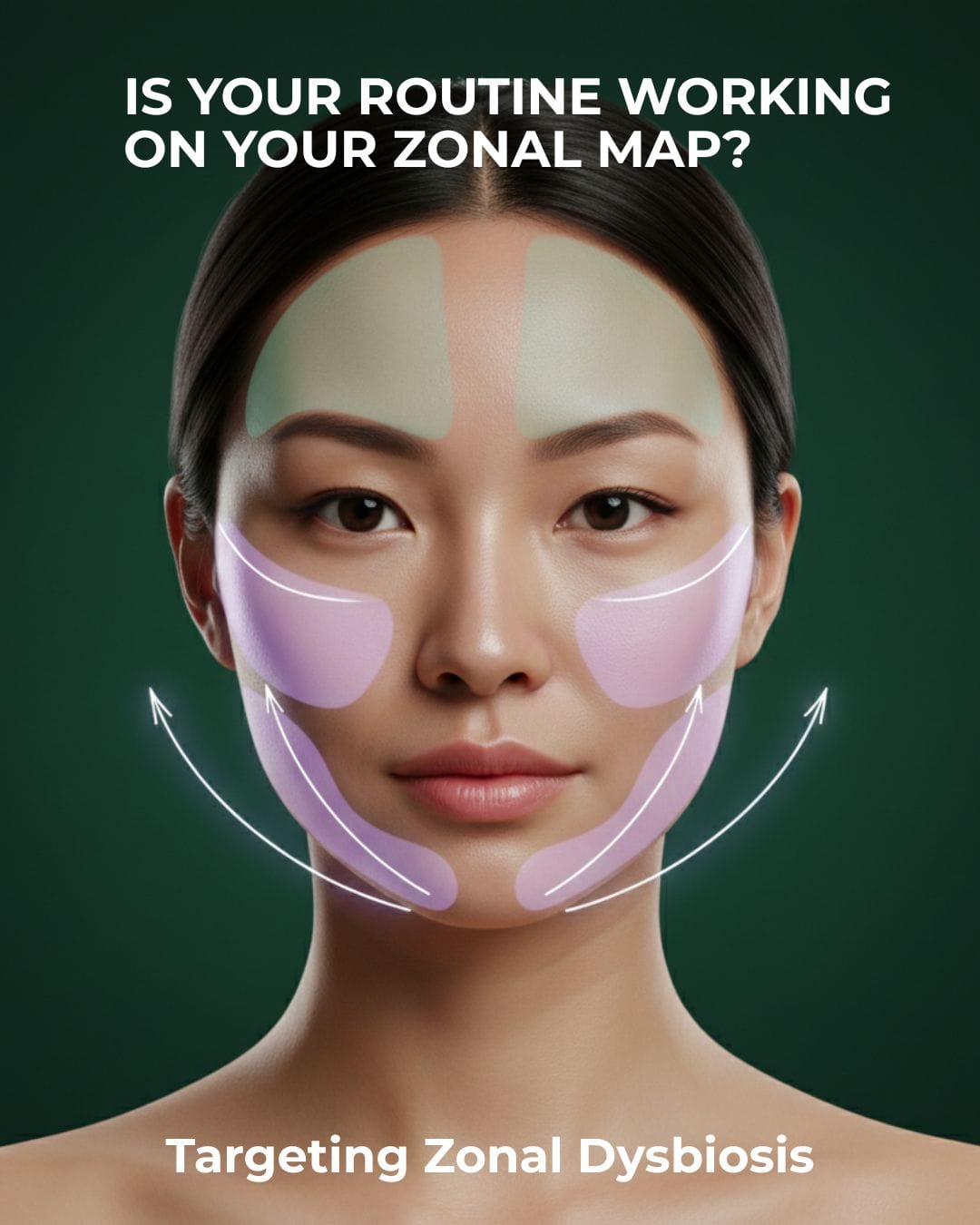
Is your skin behaving like two different ecosystems? One area is oily and prone to breakouts, while another is parched and sensitive? What we’ve previously called combination skin is in fact a phenomenon better understood in the context of facial zones. You’re likely to be familiar with the T-zone, where there is an increased concentration of sebaceous glands. I’d like to draw your attention to the O-zone, which is a term I coined in my 2021 work on the maskne microbiome in this episode.
If you suffer from a facial skin condition, be it acne, seborrheic dermatitis, or facial eczema, you may have noticed that certain parts of your face behaves differently. The reason has to do with a different composition of bacteria, what we call the microbiome, as well as significant differences affecting local skin climate factors such as skin thickness, whether it’s in a photoexposed area, or in an area that is in contact with saliva, friction etc.
Should we use different products on different areas of our face?
If you have patchy, reactive skin on some parts of your face, or have been diagnosed with an actual dermatological condition, you’ll often be tempted to think you should use different products on your face. Nothing wrong here, from a dermatologist’s perspective, it’s exactly the concept of targeted treatment. The same reason why dermatologists recommend avoiding retinoid use around the mouth and eye areas, especially if you have sensitive skin.
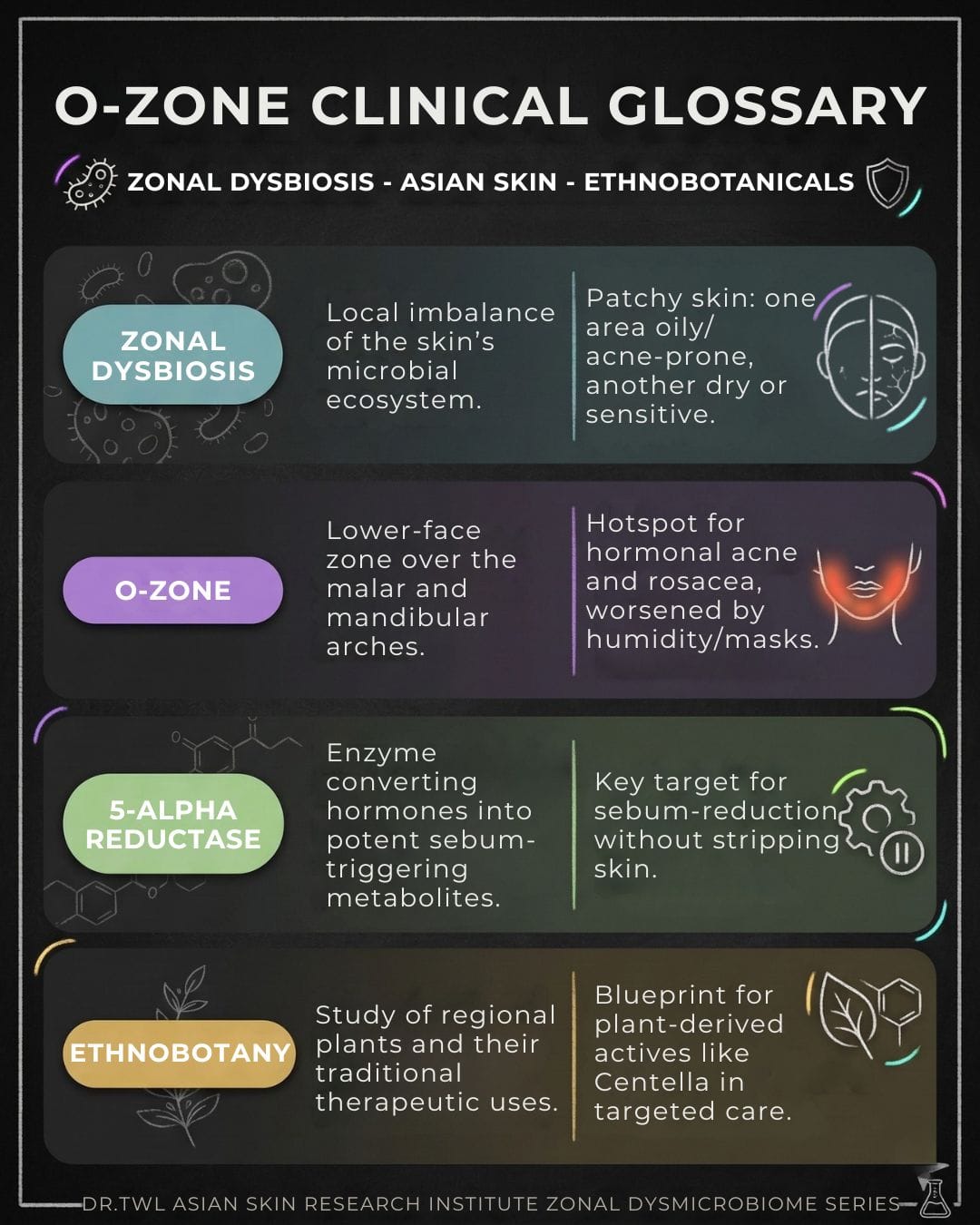
Adaptogens in Ethnopharmacology—The Origins of Our Miel Honey Cleanser Formulation for Regulating O-Zone Dysbiosis
But realistically, it makes little sense to use one cleanser for your forehead and nose, and another for your cheeks. Still many of us are familiar with the uncomfortable sensation of having greasy skin over our T-zone, yet our cheeks are parched and dry.
That’s where the discussion about ethnobotanicals and peptides become highly relevant in formulation science.
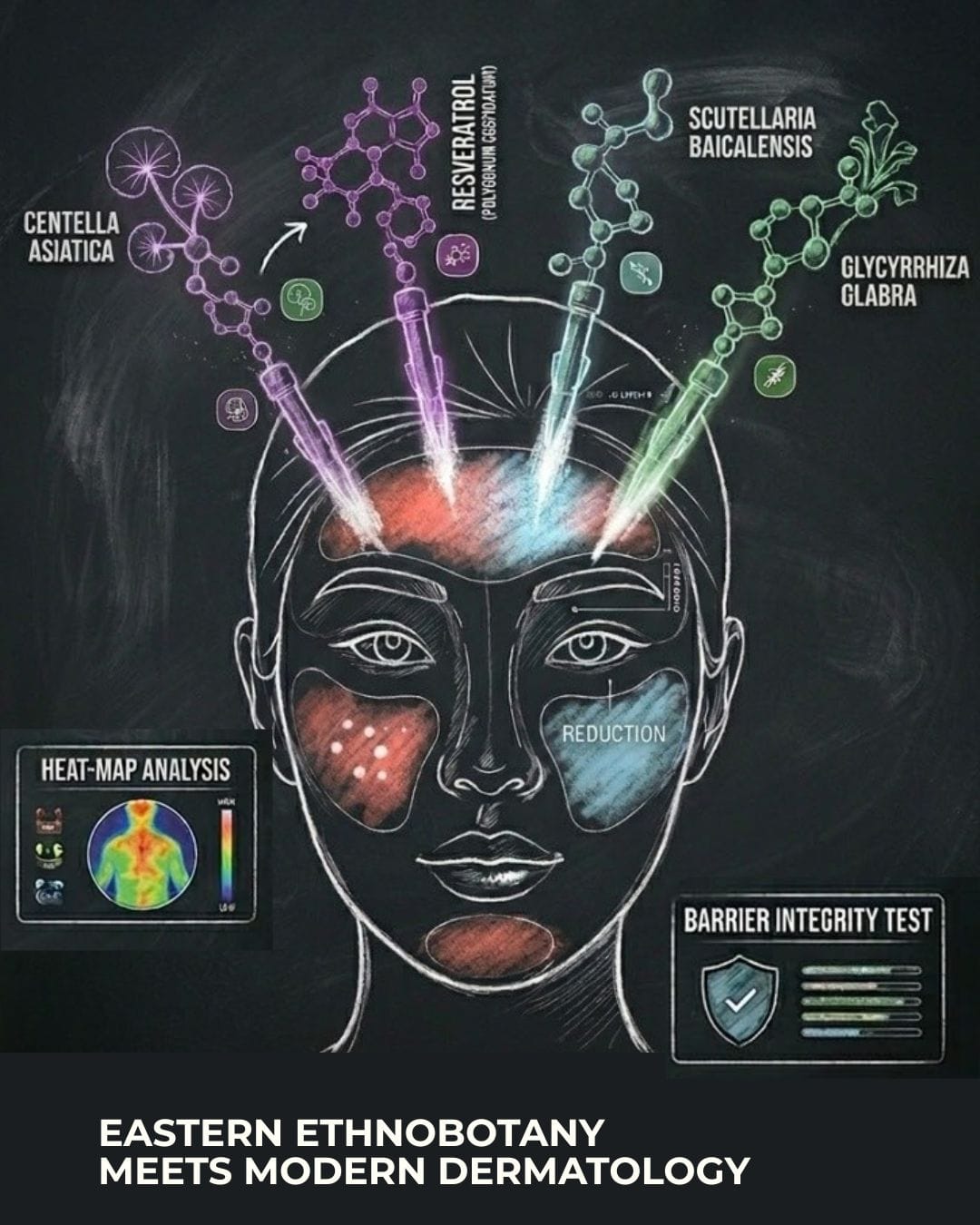
Adaptogens refer to the emerging category of bioactives in dermocosmetics derived predominantly from ethnopharmacology and increasingly incorporated into skincare formulations. The most straightforward example of an adaptogen would be say Aloe Vera, which we know is a succulent, i.e.a desert plant that has specifically evolved to adapt to harsh environments. Purslane is another example. So these are actually highly complex formulas that exist, ready-made in nature that combine over 70 distinct vitamins/phytochemicals that can be isolated in the laboratory.

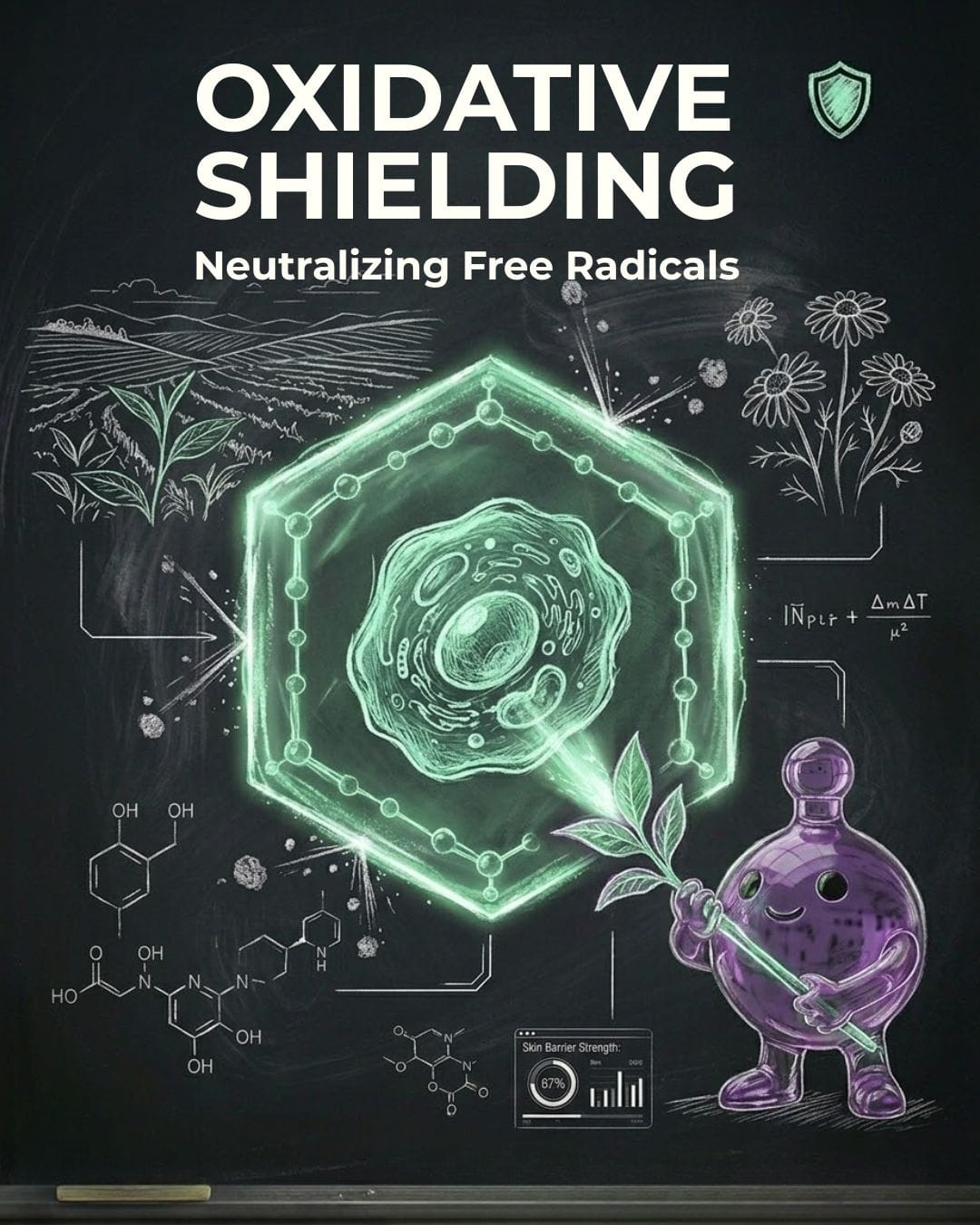
That’s also the reason for our research focus on ethnobotanicals to regulate the skin microclimate. Adaptogens intelligently help skin adapt to local climate factors through harmonizing sebum regulation oxidative shielding, and regulating skin barrier function.
The Science of the Miel Honey Cleanser: A Blend of Bioactive Honey and Adaptogens
How adaptogens work on skin is best understood in the context of regulating the skin microclimate, and the perfect case study here would be our Miel Honey Cleanser, a cult favorite from our line. There are so many cleansers in the market, but why I formulated this was specifically to address the gap—dermatologist recommended gentle cleansers mostly leave an uncomfortable residue on skin, commonly described as sticky. What we really want is a cleanser that feels good on skin, and does not strip the skin barrier and can effectively harmonise the microclimate on different areas of our skin.
The goal is to create an intelligent gentle cleansing system that generates a sulfate free cleansing system, in our case we used sulfonates, for a rich, creamy lather from a blend of conditioning fatty acids and olive oil esters, purifying the skin deeply while replenishing the moisture barrier in a single step. This formula is specifically developed as a gel cleanser to feel lightweight yet hydrating, preventing excess oiliness while maintaining the skin barrier. It addresses challenges like anti-flaking and irritation from air-conditioned environments.
The Adaptogens in Miel Honey Cleanser
- Medical Grade Honey
- Broccoli Sprout Extract
- Blackberry Lily Root
- Alpine Botanical Complex of Arnica, Gentian, Yarrow, and Artemisia is the soothing powerhouse that calms reactive troubled skin