
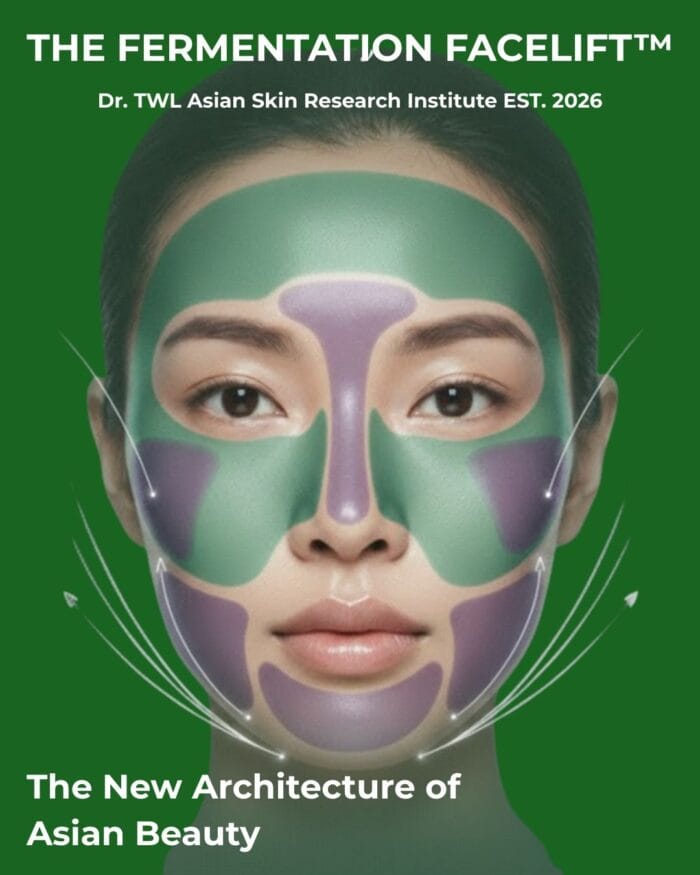
Stop exfoliating your skin into oblivion.
As a dermatologist, I see the same battlefield under the microscope every day: Sterile Skin Syndrome. By over-cleansing and over-prescribing high-strength retinols and acids, the modern skincare routine has effectively fired the soldiers of the skin—the microbiome.
Let’s delve into the science of Bio-Signaling. To achieve the structural integrity of the Fermentation Facelift™, we must move beyond basic hydration and enter the realm of Barrier Intelligence.
The Stinging Skin Phenotype: A Neurological Event
Most clinical dermatology focuses on what we can see—rashes, scales, and lesions. But the most common complaint I hear is invisible: stinging, burning, and localized heat.
Research published in Experimental Dermatology (Guéniche et al., 2010) identifies this as the reactive skin phenotype. This study confirms that skin sensitivity is a neurological event triggered by barrier failure. If you feel heat in your skin, your nerves are signaling a breach long before your eyes see redness.
Bifida Ferment Lysate: The Biological Shield
We have transitioned from probiotic hype to post-biotic precision. In our research at the Institute, we utilize Bifidobacterium longum lysate (BL)—not as a good bacteria, but as a fragmented DNA repair enzyme.
- Neutralizing the Chemical Attack: In clinical trials, applying a 10% BL lysate significantly reduced skin sensitivity to Sodium Lauryl Sulfate (SLS). In an urban exposome full of harsh surfactants and pollutants, BL acts as a biological shield, preventing chemical triggers from reaching deep-tier nerves.
- Biological Pacing: When the skin barrier is physically disrupted (the tape-stripping test), BL lysate doesn’t just moisturize—it accelerates architectural recovery. It helps the skin’s architecture rebuild its barrier function significantly faster than the control.
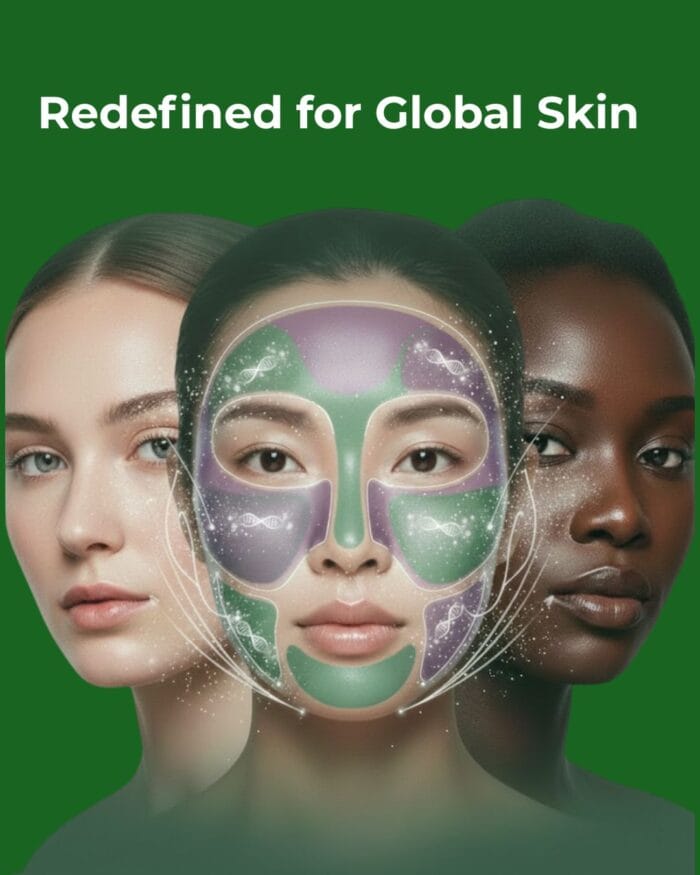
Cooling the Skin Fire with the Fermentation Facelift™
One of the most profound findings in neuro-microbiome research is the regulation of vasodilation. When reactive skin is challenged with stinging agents like lactic acid, the application of Bifida lysate physically reduces the opening of blood vessels.
By chemically regulating the vascular response to inflammation, we aren’t just soothing the surface; we are modulating the biological noise that leads to Inflammaging.
Silencing the Sensory Noise with the Fermentation Facelift™
Key to our research protocol approach is sensory modulation. By using fermented lysates to silence the over-reactivity of nerve endings, we stop the skin from chronically over-reacting to its environment.
This is the cornerstone of the Fermentation Facelift™. When the skin is no longer in a state of emergency repair, it can finally focus on synthesis—building the collagen and elastin matrix required for a resilient, lifted appearance.
Clinical Syllabus: Citations for the Researcher
- The Anchor Study: Guéniche, A., et al. (2010). Bifidobacterium longum lysate, a new ingredient for reactive skin. Experimental Dermatology.
- The 500 Dalton Rule: Bos JD, Meinardi MM. Exp Dermatol. 2000.
- The Skin Exposome: Krutmann J, et al. J Dermatol Sci. 2017.
ASIAN BEAUTY SECRETS: How to Get Glass Skin with Galactomyces